








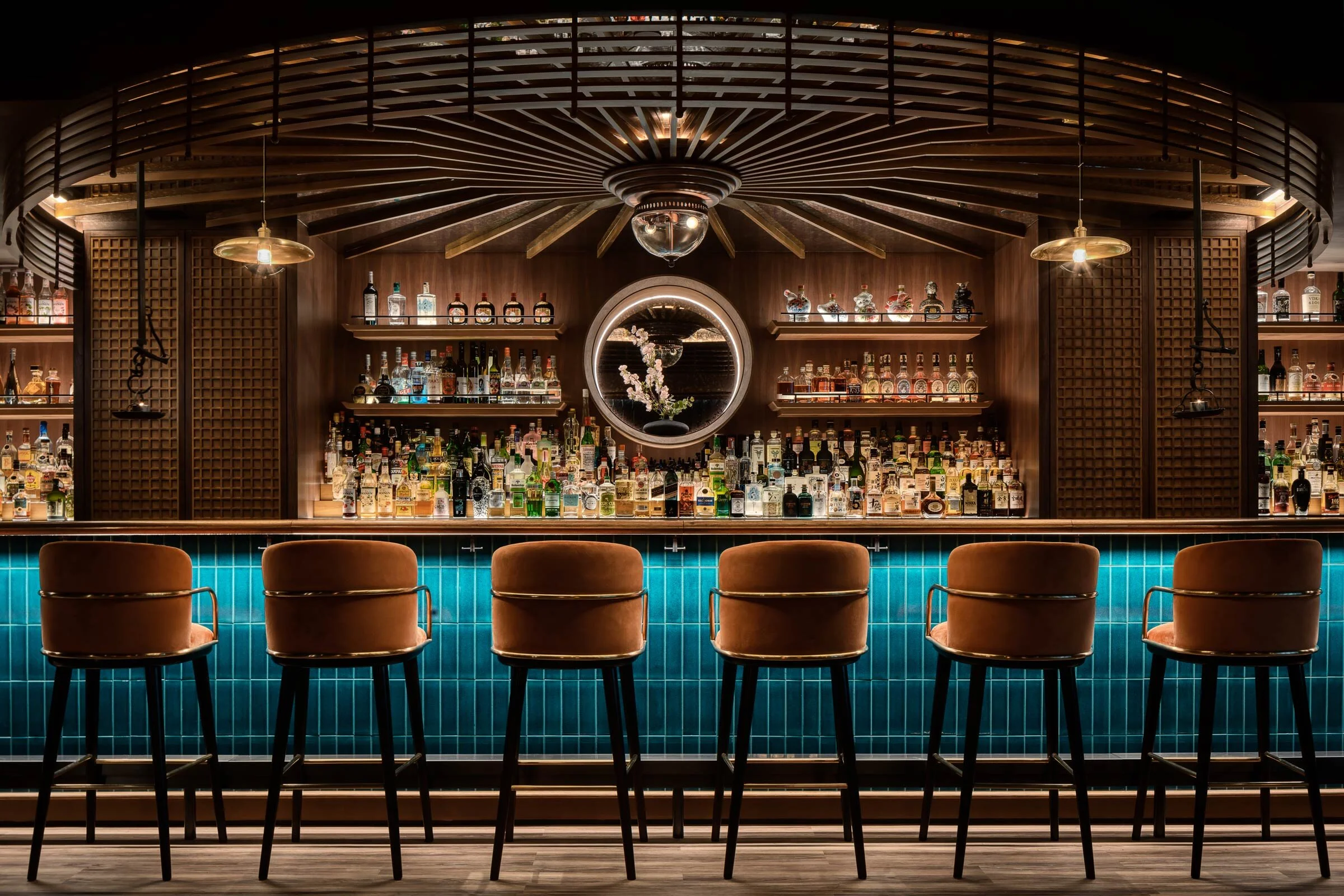
Starting a bar business can look simple from the outside. Many first-time owners imagine that a stylish interior, a good location, popular drinks, and a few signature dishes will be enough to attract customers. In reality, a profitable bar requires much deeper planning. The business must be designed around local demand, customer spending patterns, menu margins, staffing, operating costs, and repeat visits. A bar is not only a place that sells drinks. It is a hospitality business built on atmosphere, service, timing, pricing, and consistent customer experience.
The first step is defining a clear concept. A casual pub, a Korean-style drinking house, a cocktail lounge, a sports bar, and a premium dining bar all require different strategies. The target customer decides the price range, menu structure, interior mood, music, opening hours, and marketing channels. Without a clear concept, the store can become too broad and fail to stand out. Customers should understand why they would choose this bar instead of another place nearby.
Location Should Be Chosen by Demand, Not Appearance
Location is one of the most important decisions in bar startup planning, but the best location is not always the most expensive street. A busy area can still become a risk if rent is too high or if the customer flow does not match the business model. Office districts, university areas, residential commercial zones, nightlife streets, and transport hubs all create different sales patterns.
Before signing a lease, owners should observe the area at different times of the week. Evening foot traffic, nearby competitors, customer age groups, public transportation, parking access, rent level, and street visibility should all be checked. An office area may perform well on weekdays but become weak on weekends. A residential area may have lower traffic but stronger repeat customers. A good location is not just a place with many people. It is a place where the right customers are willing to spend money at the right time.
Menu Strategy Is More Important Than Menu Size
Many new owners try to create a large menu because they believe more choices will attract more customers. However, a large menu often increases ingredient costs, food waste, storage problems, preparation time, and staff training difficulty. A focused menu is usually stronger. Each item should have a clear role. Some items should create high margins, some should encourage drink orders, and some should represent the identity of the brand.
In a Korean pub or casual bar model, food and drinks must work together. Food should not simply fill the table. It should encourage customers to stay longer and order additional drinks. Shareable dishes, simple preparation, consistent taste, and strong profit margins are more valuable than a long list of complicated items. A successful menu is not the biggest menu. It is the menu that customers understand quickly and the staff can deliver consistently.
Pricing Must Be Based on Real Numbers
Pricing is another critical factor. Low prices can bring customers quickly, but they can also weaken profitability if rent, labor, ingredients, utilities, and marketing costs are high. High prices can work only when the store provides clear value through atmosphere, service, food quality, location, or brand image. Owners should calculate average order value, table turnover, gross margin, fixed costs, and monthly break-even sales before opening.
A store can look crowded and still fail to make profit if the cost structure is wrong. Rent, wages, supplies, maintenance, card fees, taxes, and unexpected repairs should all be included in the plan. Profit is not created by sales alone. It is created when pricing, menu design, labor control, and customer retention work together. This is why first-time owners should never rely only on optimistic sales expectations.
Operations Should Be Simple and Repeatable
Bar operations can become difficult because many stores operate during evening and late-night hours. Staff turnover, inventory checks, customer service, cleaning, closing routines, and quality control can all affect performance. For this reason, operations should be simple, repeatable, and easy to train. Drink preparation, food service, table cleaning, payment, stock control, and closing procedures should be written as clear standards.
If the business depends only on the owner’s personal effort, it becomes difficult to maintain. A strong operation system allows new staff to learn faster and helps the store deliver consistent quality even when the owner is not always present. This is especially important for owners who want to expand or compare franchise models in the future. A business that can be repeated is more valuable than a business that only works when one person controls every detail.
Interior Design Should Support Sales
Interior design matters because customers remember atmosphere. However, first-time owners should avoid spending the entire budget on appearance. A good interior should support comfort, table turnover, staff movement, maintenance, and brand identity. Lighting, seating distance, table size, restroom condition, entrance visibility, sound level, and photo-friendly spaces all influence customer satisfaction.
The design should make customers feel comfortable enough to stay longer and return again. It should also allow staff to move efficiently during busy hours. A beautiful store that is difficult to operate can become a long-term problem. Durable materials, practical layouts, and easy cleaning are just as important as visual style. The best interior is not only attractive. It also helps revenue and daily operations.
Marketing Should Begin Before Opening
Marketing should not begin after the store opens. New owners should prepare local visibility before opening day. Map listings, local search exposure, social media content, soft opening events, community posts, and review management can help create early awareness. However, opening promotions are only the beginning. A bar needs reasons for customers to return after the first visit.
Repeat visits can be built through seasonal menus, group offers, membership benefits, event nights, local partnerships, and consistent online content. Reviews should also be managed carefully because many customers check ratings before choosing a bar or restaurant. Good marketing connects online visibility with real customer experience. If the store experience is weak, marketing will only bring one-time visitors.
Why Structured Startup Planning Matters
For first-time founders, reviewing a structured model can reduce unnecessary risk. A franchise or guided startup model can help owners compare startup costs, menu direction, brand positioning, training, supplier structure, and marketing support before investing. This does not mean every franchise is automatically safe. Owners still need to check whether the model fits the local market, whether expected sales are realistic, and whether the support system continues after opening.
Entrepreneurs comparing independent operation and franchise options can use a practical resource such as 술집창업 to review concept direction, cost structure, menu planning, and operational requirements before committing capital. This kind of preparation matters because the bar market is competitive. Location and interior alone are not enough. Owners need a business model that can survive after the opening excitement fades.
Competition Research Should Be Done in Person
Before opening, founders should visit nearby competitors several times. They should observe customer groups, menu prices, popular dishes, seating capacity, waiting times, service style, and review patterns. Visiting only once is not enough because weekday evenings, weekends, early nights, and late nights can show different demand. This research helps owners understand what customers already have and what is missing in the area.
A new bar should not simply copy existing stores. It needs a clear reason for customers to choose it. That reason may be better food, stronger atmosphere, easier pricing, friendlier service, a more focused concept, or stronger local branding. The goal is not only to enter the market. The goal is to create a position that customers can remember and recommend.
Financial Planning Protects the Business
Startup cost usually includes deposit, rent, interior construction, kitchen equipment, furniture, signage, licenses, initial ingredients, staff wages, and marketing. Owners also need reserve capital because sales may take time to stabilize. Many businesses fail not because the concept is bad, but because they run out of cash before the operation becomes stable.
A strong financial plan should include best-case, normal-case, and worst-case scenarios. Owners should know how much monthly sales are needed to cover fixed costs and how much profit remains after expenses. They should also prepare for slow seasons, staff changes, maintenance issues, and marketing adjustments. Careful financial planning gives the business more time to improve and adapt.
Conclusion
Starting a bar business or Korean pub franchise requires practical planning, not just enthusiasm. Owners should review location, menu strategy, pricing, staffing, interior design, marketing, competition, and financial stability before opening. A successful bar is built through a clear concept, repeat customers, simple operations, and consistent management. With the right preparation, a bar can become more than a short-term trend. It can become a stable local business with lasting customer loyalty and strong brand value.